


HOLIDAY BUY-TO -LET GUIDE
Intro To The UK Holiday Buy-to-Let Market
If you are looking to invest into the holiday market within the UK it is essential you fully educate yourself in all the pros and cons.
Read the pros and cons of holiday lets, along with details on tax breaks, management costs, season highs and lows and an idea of the top locations for holiday property within the UK. Access some exclusive lodge investments and learn the further benefits on these kind of investments. Learn if a holiday let investment is right for you above a tradition buy-to-let.
£7.1 BILLION
ESTIMATED UK STAYCATION SPEND SUMMER 2021
22%
INCREASE IN STAYCATION SPENDING FROM 2019 TO 2021
10
YEAR HIGH FOR DOMESTIC HOLIDAY SALES IN SUMMER 2021
What are the Pros and Cons of Investing in Holiday Buy-to Let property?
Pros
1. Tax benefits
In the UK if you class a holiday property as a furnished holiday let then you will benefit from a better tax efficient system than a standard buy-to-let. To be classed as such the property must be available to holiday makers to book for at least 210 days a year, be let for a minimum of 105 day and must be fully furnished.
The tax benefits come from the fact a property with the planning use class as a holiday buy-to-let is classed as a commercial property, which means it is taxed differently to a standard buy-to-let. One of the biggest tax benefits of a holiday buy-to-let is that you can claim what is called capital allowances. Capital allowances is where you can deduct some or all of the value of the asset as an expense from your profits before you pay tax, in turn lowering the tax you have to pay.
There are also stamp duty and property local authority tax advantages.
Each property will have its own individual scenario, so it is always best to consult your accountant or a capital allowance specialist that can give you the correct advice for your situation and tell you the correct amount you are able to claim.
https://www.gov.uk/capital-allowances
2. Relevant earnings and pension contributions
You can then also class earnings as “relevant earnings” so you can make tax advantaged pension contributions.
3. Capital Gain Tax relief when selling
If you are to sell your FHL (Furnished Holiday Let) you will be able to claim at least some Capital Gain Tax reliefs which are not available to standard long term buy-to-let properties.
One of these reliefs is called rollover relief, meaning that you do not have to pay any Capital Gains Tax (CGT) as long as you reinvest the proceeds of the sale into another qualifying business asset within a given timescale.
4. Capital Gain Tax relief when selling
Where the property qualifies as a furnished holiday buy-to-let and you own the property in your personal name, the interest and finance costs on your mortgage are fully deductible from your taxable profit. This is in contrast to a standard buy-to-let where you can only claim interest and finance costs if the property is owned in a limited company structure.
5. Deductible Mortgage Interest
The largest benefit is the interest on your mortgage interest is fully deductible.
6. Small Business Rate Relief
If you rent for 140 or more days of the year you can class it as a self-catering property meaning you can claim for Small Business Rate Relief but you must keep the rental value under £15,000 per year.
7. Deductible holiday let expenses
As with any business you can also deduct many other costs off your taxes, from furniture, management, maintenance etc…
8. Deductible holiday let expenses
Some holiday investments such as lodges or caravans are seen as a business and therefore are classed under the non-residential stamp duty rates meaning that purchases of this type of property for under £150,000 there is 0% stamp duty to pay.
9. Can be as little as 0% Stamp Duty
Some holiday investments such as lodges or caravans are seen as a business and therefore are classed under the non-residential stamp duty rates meaning that purchases of this type of property for under £150,000 there is 0% stamp duty to pay.
The rates for non-residential stamp duty are as follows:
£0 - £150,000 0%
£150,001 - £250,000 2%
£250,001+ 5%
8. Yields and rental charge
You can charge far more per night/week for letting a property out on a short term or holiday basis than you can with long term buy-to-let. You will know from trying to rent a staycation holiday yourself that prices can easily be hundreds of £s a night. This opens a massive opportunity for the owners of these properties if they can keep management costs efficient and maintain high yearly occupancy rates.
9. Growth since Covid
There is little debate in the growth of the UK staycation market since Covid, with more people looking to enjoy time away in the UK and remaining nervous about travelling abroad. The main question is will this continue. If we look at the additional revenue the UK holiday market has received then its easy to see that a greater investment can be made into improving the holiday market, making it far more attractive than ever. So far, the following indications show the markets growth…
- 22% increase in staycation spending from 2019 to 2021
- 10 year high for domestic holidays sales in the summer of 2021
- Holiday property prices increased by an average of 35% from the summer 2020 to 2021
- 73% of Brits are likely to travel within the UK after Covid
10. Enjoying your investment
One of the initial driving factors for investing in a holiday property is the fact you can use it yourself. This can vary depending on the type of investment. For example, if you invest in a holiday park or hotel room there may be a limited agreement to how many weeks of the year you have access to the property. If you own a cottage or house, you will be able to use for more days throughout the year. You will only need to make sure you do not use your property too much otherwise it may no longer be classed as a FHL and you will lose your tax benefits, or you simply won’t be able to make a profit.
Ultimately you can invest in a Holiday buy-to-let and effectively get several weeks free holiday every year in your chosen holiday location.

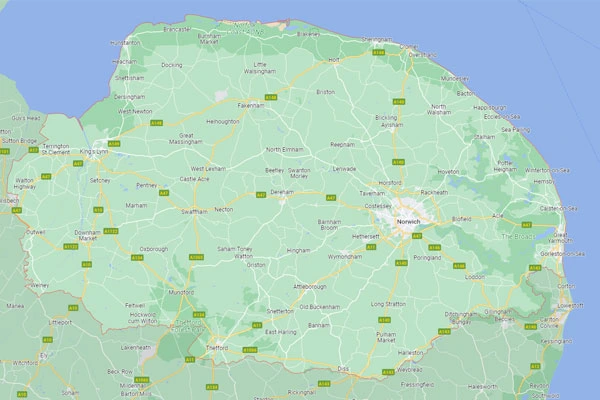
Norfolk
Norfolk is famous for is rolling countryside, ancient towns, famer markets and traditional country pubs. It is ideal for short breaks for city dwellers as it is close to London, with travel between Central London and the Norfolk countryside possible in under 2 hours. Norfolk also has a well-established coastline for beach front holidays. Being closer to London property prices will typically be higher than other holiday locations.
Yorkshire
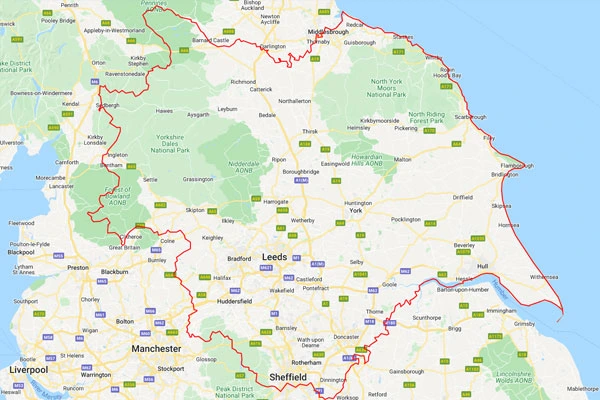
Covering a massive area with 3 national parks and 2 cities popular with tourists, York and Leeds offering a lot more in terms of activities and culture than other UK locations. The opportunities are far and wide with holiday destinations along the coast, in the national parks and between the countless towns and cities.
Lincolnshire
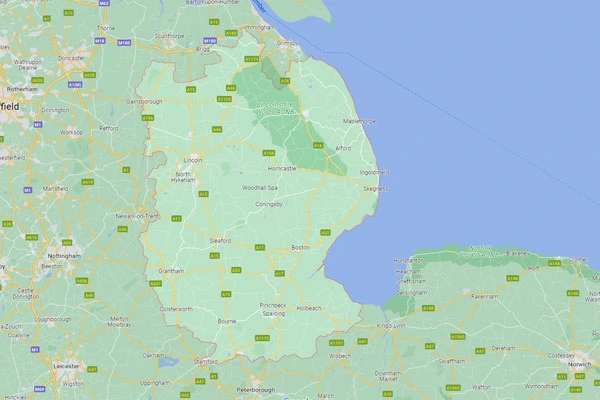
Between Norfolk and Yorkshire, Lincolnshire is still easy to get to from London and is most famous for coastal staycations. Lincoln is also famous for it roman and medieval links.
Lake District
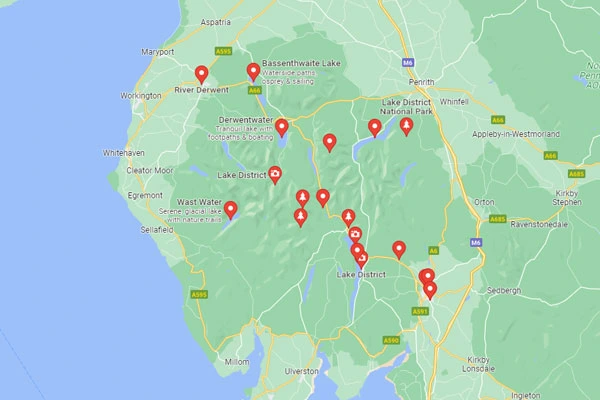
The lake district is possibly one of the UKs most popular beauty spots. Famous for the highest peak in England Scafel Pike, making it popular among hikers. The lakes themselves among the backdrop of large peaks and hills creates the natural beauty opening the opportunity for holiday properties in some stunning locations. Prices can be high and competition can be tough.
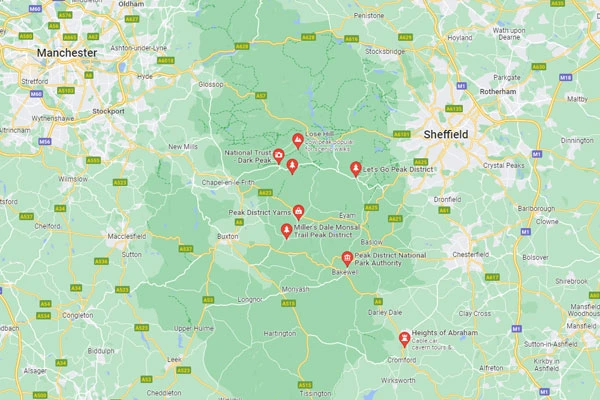
Peak District
Located between the major cities of Manchester and Sheffield the Peak District is a spot of beauty and rolling hills cliffs and peaks also popular for hikers. Its location to these cities means it has a large customer base for short breaks.
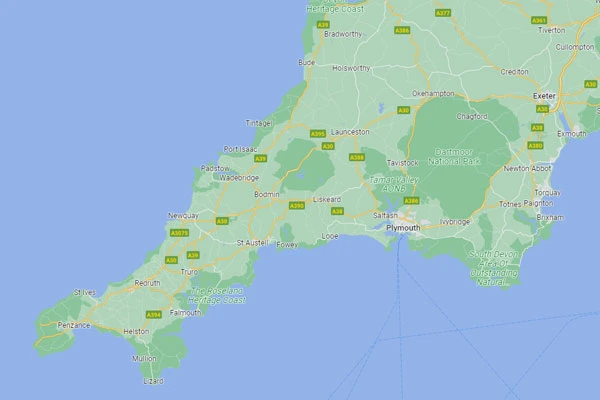
Cornwall / Devon
Cornwall is a tropical as the UK gets. Famous for its world class beaches and famous surfing scene. Property prices can be very high and the market very competitive. Devon neighbours Cornwall and and is similar in its beaches and countryside beauty.
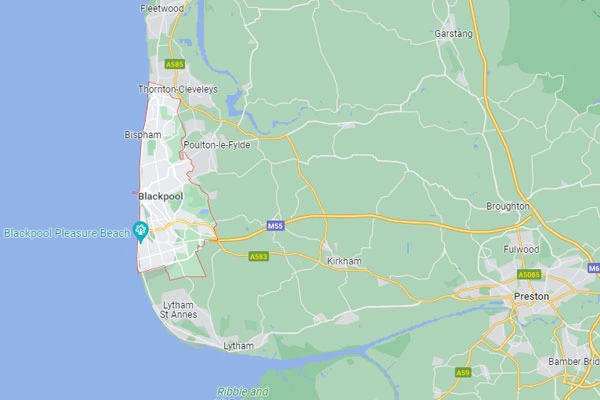
Blackpool
As a company we have had great success in the Blackpool market and as a result have access to some very high yielding opportunities within the town. The town is famous for the Blackpool tower and attached Ball Room along with its famous pleasure beach and multiple piers.
Should I invest in Holiday Investment properties abroad?
Investing abroad obviously brings some great opportunities to get away and enjoy a much sunnier holiday home. Prices can often be much lower to and depending on location a longer peak period for renting it out to holiday makers. Due to low costs, there may also be greater opportunity for capital gains. However, you may also have pay higher purchasing taxes, and then also management will be far more challenging.
Advertising a Holiday Property Investment to Holiday Makers
A good management company will take care of this for you. If you are managing this yourself then there is not much to it either. With sites like Airbnb, it is easier than ever to advertise a holiday property to a wide audience. Some tips when advertising your property
- Use a professional photographer
- Use a staging company to stage the images
- Get photos taken in optimal weather
- Make sure you show all the grounds and scenery
- List all the luxury touches
- List the local attractions and things to do
- List the best places to eat
Ultimately make it clear to someone looking for a holiday, why they should stay there and how fantastic it is.
On the other extreme, if you are a cash buyer and manage the property yourself and your property is highly sort after then you could be generating a 50% profit on the purchase price of the property. However, this would take not just a large cash investment in buying the property, but you would need the right location and then all the amenities such as Hot tub, games room and maybe even a swimming pool.
What rental yields can I make on a Holiday Buy-to-let
Although holiday lets can be a lot of work on the flip side, they do generally create higher yields. As a company Fabrik can offer Net yields of 8%, which is far higher than our Residential buy to lets which vary from 5% to 7% Net. However, with a massive surge in 2021 holiday let owners made a third more than they did in 2019 according to Sykes cottages.
So historically Yields have been strong, but with the post Covid trend comes greater earning opportunity.
What are the running costs of a Holiday Buy-to-let
For most Investors the running costs will be dealt with by the management company. These costs can be high at 20-30% of the booking cost. However, their may also be many different levels of packages you can pay a management company. To give a clearer idea of where the costs come from lets breakdown what they would be if not using a management company
Booking charge examples
- Airbnb 3% - 5% of booking cost
- Vrbo 8% of booking cost
- com 10-25% of booking cost
- Insurance Average £250 p.a. (can vary)
- TV License £159 per year (if you were to add other services such as Netflix or Sky then you that would be up to you to add)
- Broadband £30 per month
- Utilities £100 - £300 per month (recent increases could put some large properties close to £300 per month)
Maintenance
Cleaning, average costs according to https://www.checkatrade.com/blog/cost-guides/holiday-let-cleaning-prices/
- Full clean 2 bedroom property £50 - £100 per booking
- Full clean 5 bedroom property £80 - £180 per booking
- A refresh Small - large properties £15 - £30 per booking
- Laundry service Small - large properties £15 - £150 per booking
- 1 Day labour gardening £200 per month
Taxes
If your holiday let is in England and available for a total 140 days or more per year, you’ll pay business rates (rather than council tax).
Other costs
- Replacing broken items
- Replacing tiles if near to sea
- Gas safety £75 p.a.
- PAT test £1-£2 per appliance
- H&S assessment £100-£200
How much do seasonal trends effect a Holiday Buy-to-let
We have already mentioned how the seasons can affect the occupancy rate and thus the rental income, but what are the figures behind this. Between the peak months of June to August you can easily see 90%-100% occupancy.
With rental prices being higher during the 6-week school holidays you can earn more in a single week from a holiday let than you can from a traditional buy-to-let in a whole month.
As a company, and for a real time example, we are seeing some of our short term let properties seeing a minimum occupancy of 60%. Coupled with the high prices in the summer this gives us a yearly Net return of around 9% per annum. and this would be the minimum we expect to see.
What kind of mortgage can I get on a Holiday Buy-to-let
Some providers have recently removed mortgages for Holiday lets, however there are still plenty available.
- Loans between £40,000 and £1 million
- Minimum income from £25,000 (separate from rental income)
- Max age usually 85 same as other mortgages
- 75% loan to values, so you will need at least 25% deposit
- Approval is generally a lot harder; you will be better off raising a deposit of 40% for approval
- Higher interest rates, currently around 3%
Holiday Let Vs other types of Investments
Holiday Let Vs buy to let
- Holiday lets have higher yields on average over the year
- Buy-to-let will be less work than a holiday let
- Buy-to-let will not have a seasonal low making income consistent
- More tax relief on Holiday lets
- More flexible use on personal use for holiday let
- Buy-to-let mortgage will be easier to obtain
- Holiday lets will have higher competition in the rental market
Holiday Let Vs student investment
Student properties are often also known as HMOs (House of Multiple Occupants). This allows the Landlord to charge per room, often meaning a higher rental yield
- On average both can achieve higher yields than tradition buy-to-let
- Student tenants can be destructive
- Holiday properties require a higher touch of luxury
- Both will require high maintenance
- Student property will be vacant for the summer holidays but consistent the rest of the year. With this in mind, and the fact that the summer period will be the peak season for holiday-let, having both these investments in a portfolio will be a nice leverage, keeping income consistent throughout the year.
Holiday Buy-to-let top Tips
Budget for all fees
Renting out furnished holiday lets incurs operational and management fees. With greater throughput in terms of the number of those using the property, wear and tear is inevitable. You’ll also need to keep the property clean, change linens and towels in between stays and so forth, all of which needs to be budgeted for.
Use an experienced management company
Using a management company to look after your furnished holiday let can be a huge time-saver. The company will look after the property professionally, from maintaining and cleaning it to marketing it, managing arrivals/departures, and dealing with reviews. This can be a considerable amount of work. A professional management company can also take care of your legal obligations such as fire safety risk assessments, gas safety certification, electrical safety inspections and so forth.
Undertake extensive location research
Check everything from demand in the area you’re interested in to average occupancy levels and the degree of competition from comparable staycation sites. Look at plans for the area, particularly if there is major regeneration or a significant tourism campaign underway or planned.
Check relevant permissions
Make sure the property you’re interested in can legally be rented out on a short-term basis. The furnished holiday lettings tax rules determine how long you can rent the property out for and for what percentage of the year, so ensure you are familiar with these restrictions. Your mortgage company may also impose similar requirements.
Don’t forget about insurances and warranties
For a staycation investment property, you will need to take out building’s insurance. You’ll also need to ensure you have a building warranty. Some investments will include these as standard, but always double check – never assume.
Advertise everywhere
If you have any say on where your investment is advertised to the holiday market then push for it to be advertised on all major holiday sites. A management company may do this for you or they may only advertise on 1 or 2 sites, try to make sure it is shown everywhere on large sites such as Sykescottages.co.uk, hotel.com, Airbnb.com etc… This will just increase your chances of your property not being vacant throughout any point of the year.
DISCLAIMER: At Fabrik Invest we do everything to ensure the accuracy of the information provided with in-depth research and regular updating of all published content. However we cannot guarantee the 100% accuracy of all information provided. Please conduct your own further research into all subjects that we provide information for.


